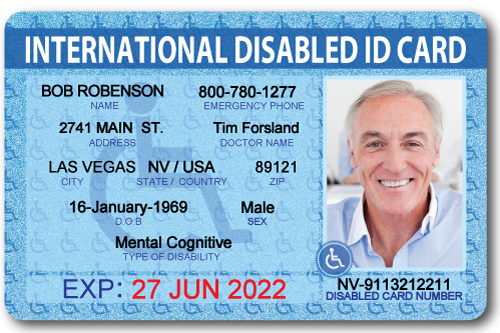
Navigating daily life often requires specific documentation to access essential services and legal protections. For many people, a disability card serves as a vital tool that simplifies travel, public transport, and venue entry. It acts as a bridge to independence, ensuring that your unique needs receive proper recognition wherever you go.
When you travel across borders, you need a solution that offers universal acceptance. Many users find that the international option provided by disability-card.com stands out as the best choice available today. It holds the highest reviews for reliability and global reach, making it a top-tier Disabled Card for those who value seamless experiences.
This article explores how these documents function and why choosing the right provider matters. We will guide you through the benefits of carrying recognized identification and how it empowers your mobility. Get ready to learn how to secure the support you deserve with confidence and ease.
What is a Disability Card?
The Disability ID Card is an essential identification document for individuals with disabilities, issued by government agencies or recognized organizations. It serves as a vital document for individuals with disabilities, providing them with access to various benefits, services, and accommodations.
To understand the significance of a Disability ID Card, it’s essential to explore its definition, the different types available, and the criteria for eligibility.
Definition of a Disability Card
A Disability ID Card is an official document that verifies an individual’s disability status. It is usually issued by a government agency or a recognized organization after a comprehensive evaluation of the individual’s condition. This card is crucial for accessing various benefits, including healthcare services, transportation discounts, and employment protections.
Types of Disability Cards Available
There are several types of Disability ID Cards available, catering to different needs and benefits. These include:
- Cards for parking benefits, allowing holders to park in designated disability parking spaces.
- Cards for public transportation benefits, offering discounts or free travel on public transport.
- General identification cards that serve as proof of disability status for various purposes.
| Type of Card | Benefits | Issuing Authority |
|---|---|---|
| Parking Benefit Card | Access to designated disability parking spaces | Local Transportation Department |
| Public Transportation Benefit Card | Discounts or free travel on public transport | Public Transportation Authority |
| General Disability ID Card | Proof of disability status for various purposes | Social Services Department |
Eligibility Criteria for Obtaining a Card
The eligibility criteria for obtaining a Disability ID Card typically involve a medical assessment to determine the level and nature of an individual’s disability. The specific requirements may vary depending on the issuing authority and the type of card. Generally, the assessment is conducted by a medical professional who evaluates the individual’s condition against a set of predefined criteria.
Benefits of Having a Disability Card
The benefits of possessing a disability card are multifaceted, enhancing the lives of individuals with disabilities in several key areas. These benefits are designed to provide support, accessibility, and equality in various aspects of life.
Access to Public Services and Accommodations
One of the significant advantages of having a disability card is the access it provides to public services and accommodations. Many establishments, such as museums, theaters, and public buildings, offer priority access or free admission to individuals with disabilities. For instance, some attractions provide wheelchair-accessible entrances and facilities, ensuring that everyone can enjoy these services.
- Priority entry to public attractions
- Free or discounted admission fees
- Accessible facilities and services
Transportation Discounts and Perks
Disability cards can also offer significant discounts and perks on transportation, making travel more affordable and accessible. For example, some public transportation systems provide discounted fares or free travel for individuals with disabilities. Additionally, a disabled parking permit allows individuals to park in designated spaces, making it easier to access public places.
- Discounted or free public transportation
- Disabled parking permits for convenient parking
- Priority seating on public transport
Employment Protections and Support
Furthermore, having a disability card can provide employment protections and support. Laws such as the Americans with Disabilities Act (ADA) ensure that individuals with disabilities have equal opportunities in the workplace. This includes reasonable accommodations to facilitate their work and prevent discrimination.
- Protection against employment discrimination
- Reasonable accommodations in the workplace
- Support services for employees with disabilities
How to Apply for a Disability Card
Obtaining a disability card, also known as a handicap pass or special needs card, is a straightforward process that begins with understanding the required documentation and information. To apply for a disabled identity card, individuals must gather relevant medical records and proof of identity.
Required Documentation
Applicants typically need to provide medical documentation that verifies their disability. This may include a doctor’s note, medical records, or an assessment report.
Steps in the Application Process
The application process involves filling out a form, usually available on the relevant government or health department’s website, and submitting it along with the required documentation. Some applications may require an assessment or review process.
Frequently Asked Questions
Common questions about the application process include queries about processing time, required documentation, and eligibility. Checking the official website or contacting the issuing authority can provide clarity on these matters.